The Trump administration dismissed all members of the National Science Board on Friday, stripping the governing body that advises on the National Science Foundation. The move follows months of funding freezes and operational delays at the NSF, which supports basic research across American universities. Representative Zoe Lofgren called the firing "the latest stupid move made by a president who continues to harm science and American innovation." The NSF has historically funded foundational technologies including MRI machines and cellular networks. The mass dismissal leaves the agency without independent oversight as it struggles to distribute already-appropriated research grants.
The National Science Board has governed the NSF since 1950, setting policy and approving research priorities. Its 24 members serve staggered six-year terms and are traditionally selected for scientific expertise rather than political alignment. The NSF funds roughly a quarter of all federally supported basic research at American universities.
A survey of 4,000 academics found that 32 percent of faculty in Republican-controlled states have self-censored their research due to state laws restricting "divisive concepts" and federal funding cuts. The self-censorship spans topics including race, gender, climate change, and public health. Faculty reported altering course content, removing controversial findings from publications, and abandoning research lines entirely. The pattern suggests that policy pressure is reshaping academic inquiry even without direct institutional bans, as researchers anticipate political and financial consequences.
Since 2021, more than twenty states have enacted laws restricting how race, gender, and American history can be taught in public institutions. Federal grant cancellations under the second Trump administration have added financial pressure, particularly for research touching on diversity, equity, and environmental policy.
Anna Maria College, a Catholic institution in Paxton, Massachusetts, will close at the end of its spring term after 80 years of operation. The board cited years of operating deficits that depleted reserves below regulatory thresholds. Despite a 7.5 percent enrollment increase this spring and improved fundraising, the college carried $18.4 million in long-term debt and an endowment of under $1.4 million with donor restrictions. State regulators flagged the institution as a closure risk earlier this month. Transfer agreements are in place with five regional colleges for remaining students.
Small private colleges across the Northeast have faced mounting pressure from demographic decline, rising costs, and competition from public institutions. Anna Maria's closure follows similar shutdowns of Mount Ida College and Becker College in Massachusetts since 2018.
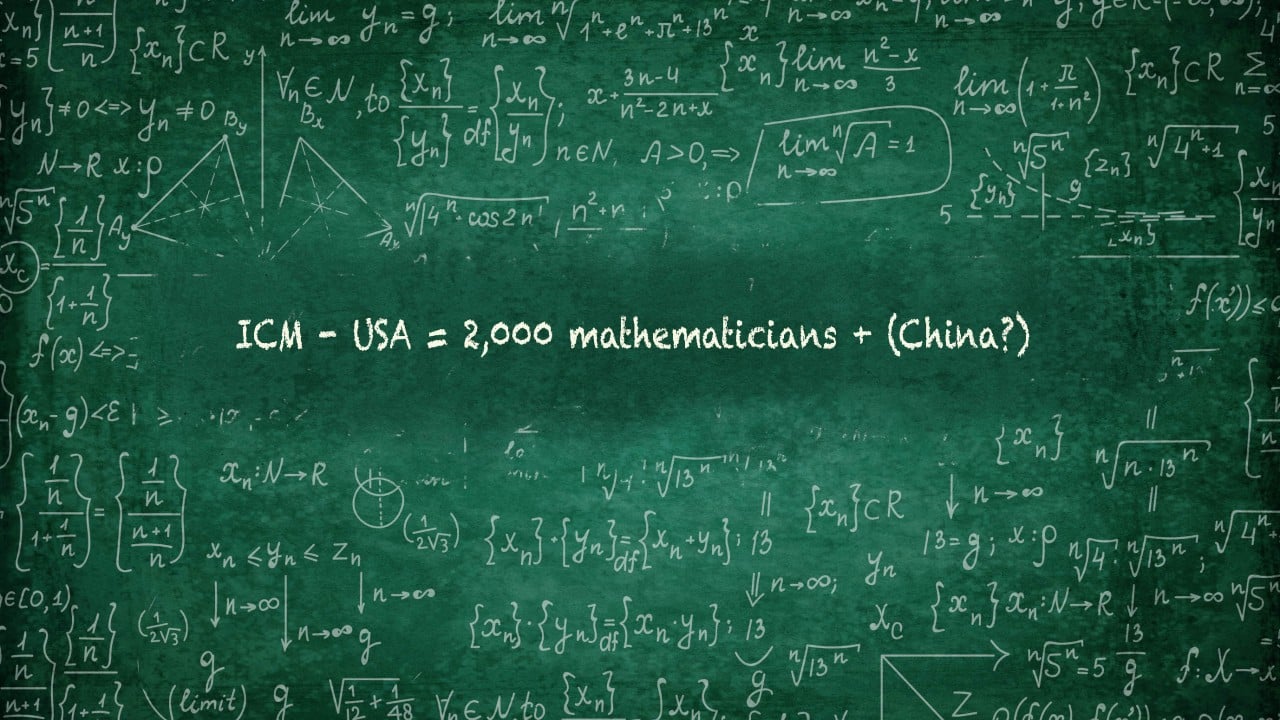
More than 2,300 mathematicians from 76 countries have signed a petition demanding that the International Congress of Mathematicians be moved out of the United States, which is scheduled to host the July 2026 conference in Philadelphia. The petition cites American visa restrictions, foreign policy, and safety concerns for international participants. The ICM is the premier mathematics conference and awards the Fields Medal. Chinese participation remains uncertain; while some researchers have signed, others note that visa issues have affected mathematicians regardless of nationality. The boycott effort draws explicit parallels to the 2022 decision to move the congress from Russia following its invasion of Ukraine.
The International Congress of Mathematicians meets every four years and has been hosted in the US only twice before, in 1893 and 1986. The 2022 congress was moved from Saint Petersburg to Helsinki following Russia's invasion of Ukraine, establishing precedent for political boycotts.
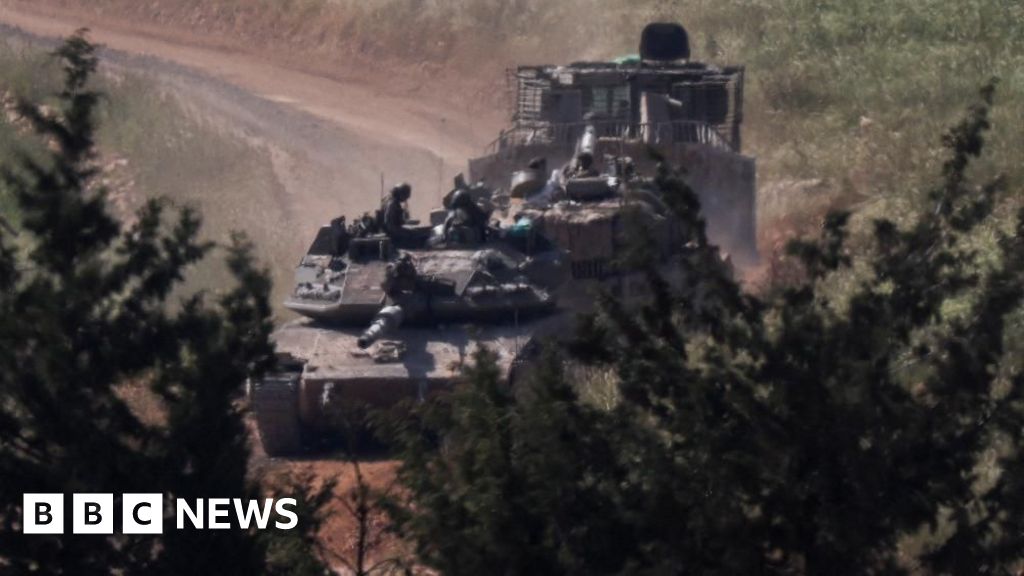
Israeli Prime Minister Benjamin Netanyahu ordered the military to "vigorously attack Hezbollah targets" in Lebanon on Saturday, two days after a ceasefire was extended by three weeks. Israeli strikes killed at least six people in southern Lebanon, including four in Yohmor al-Shaqeef and two in Safad al-Battikh. The Israel Defense Forces said it eliminated five Hezbollah members in vehicles loaded with weapons. Hezbollah retaliated by targeting an Israeli army vehicle. The exchanges strain a truce that has seen reduced but not halted fire since November.
The Israel-Lebanon ceasefire, brokered in November 2024, required Hezbollah to withdraw north of the Litani River and Israel to withdraw from southern Lebanon. Both withdrawals remain incomplete, and sporadic clashes have continued despite the formal truce.
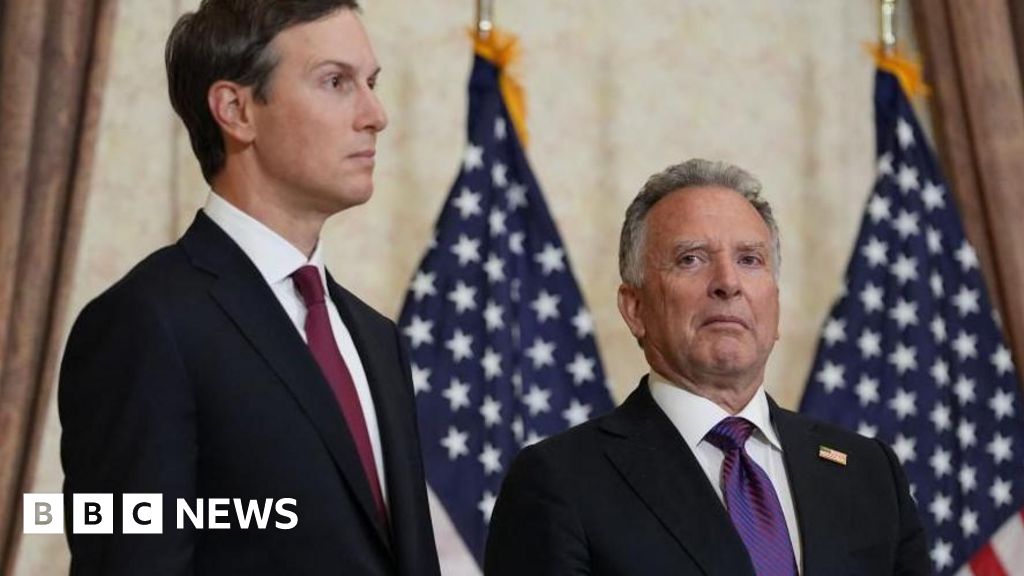
Donald Trump cancelled a planned trip by US envoy Steve Witkoff and son-in-law Jared Kushner to Pakistan for Iran war talks on Saturday, shortly after Iran's delegation departed Islamabad. Trump said the envoys would be wasting "too much time" and that Iran could call if it wanted to talk. Iranian Foreign Minister Abbas Aragchi had shared Iran's position on ending the war but said he had "yet to see if US is truly serious about diplomacy." The cancellation follows a ceasefire extension to April 22 and ongoing deadlock over the Strait of Hormuz and Tehran's nuclear program.
Pakistan has mediated indirect US-Iran talks since February, when American and Israeli strikes on Iranian nuclear facilities began. The Strait of Hormuz blockade, imposed by Iran after those strikes, has disrupted roughly one-fifth of global oil shipments.
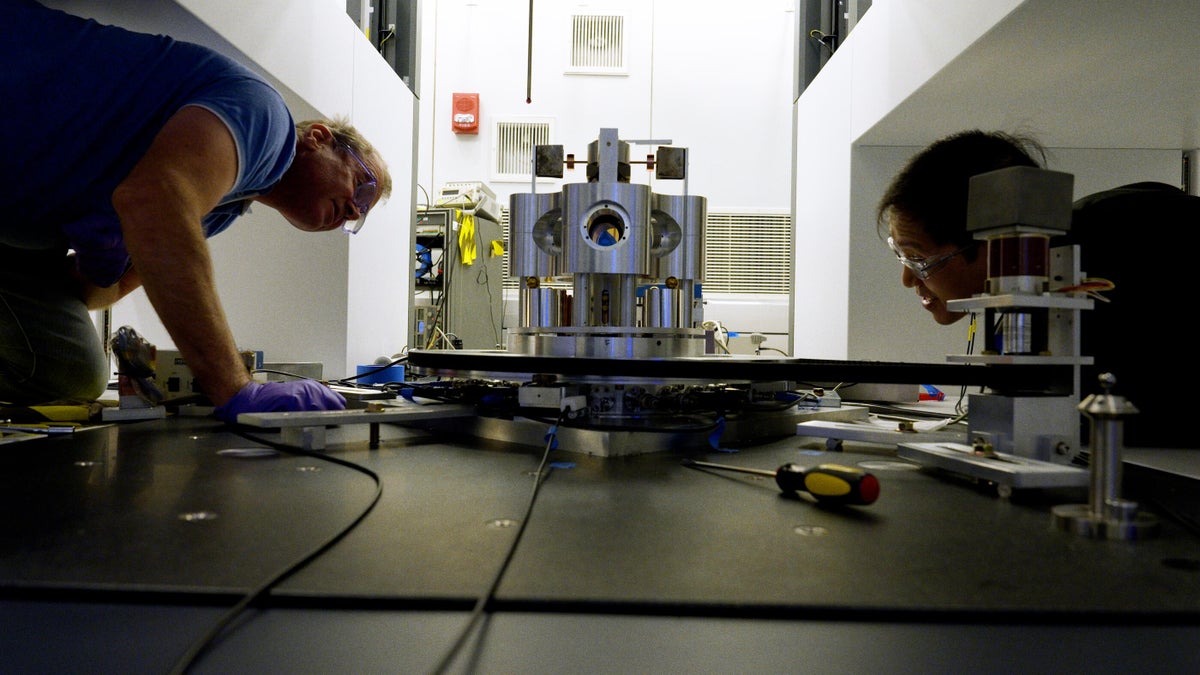
Physicist Stephan Schlamminger at NIST published a new measurement of G, the universal gravitational constant, after a decade of work with a torsion balance instrument. The measurement adds another data point to a historically scattered dataset, as previous attempts to measure G have produced widely varying results. The torsion balance method, pioneered in the Cavendish experiment of 1798, measures the tiny gravitational attraction between lead masses. Schlamminger's team replicated a 2014 BIPM setup with identical equipment and procedure. The difficulty of isolating gravitational force from environmental noise has made G the least precisely known fundamental constant despite its central role in Newton's law of universal gravitation.
The gravitational constant G determines the strength of gravitational attraction between any two masses. Unlike Earth's surface gravity (little g), which is known to high precision, big G has an uncertainty of roughly 0.002 percent across measurements—enormous by physical standards.
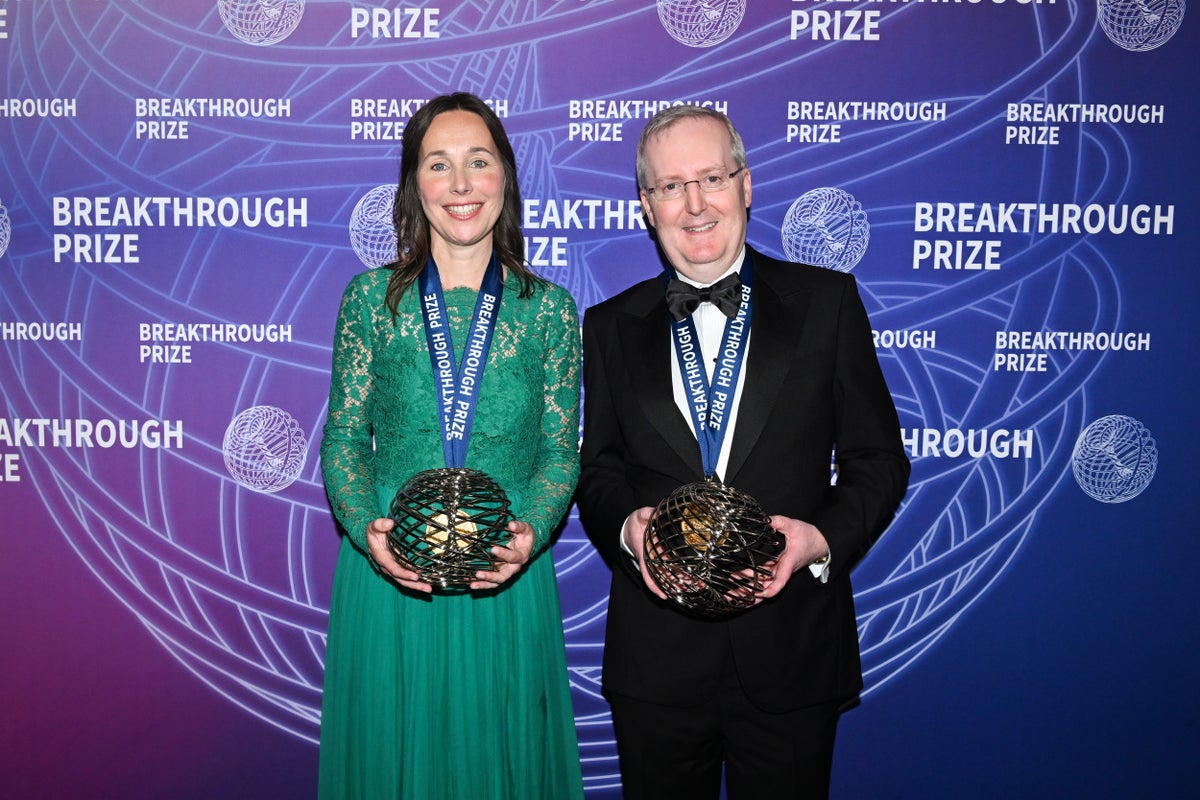
Neurogeneticists Rosa Rademakers and Bryan Traynor independently identified a mutation in the C9ORF72 gene in 2011 as the shared cause of frontotemporal dementia and amyotrophic lateral sclerosis. The discovery, recognized with a 2026 Breakthrough Prize, revealed that two clinically distinct disorders—one affecting behavior and language, the other motor function—are part of the same disease spectrum. The finding has redirected research toward common therapeutic targets. Both diseases feature the TDP-43 protein in affected neural tissue, a clue that predated the genetic discovery and suggested biological overlap.
Frontotemporal dementia and ALS were treated as separate conditions until genetic studies of families with both disorders revealed shared inheritance patterns. The C9ORF72 mutation accounts for roughly 40 percent of familial ALS and 25 percent of familial FTD cases.
The European Commission authorized Moderna's mCOMBRIAX, the first combined mRNA vaccine against influenza and COVID-19, for adults 50 and older. The authorization covers all 27 EU member states plus Iceland, Liechtenstein, and Norway. A Phase III trial of 4,000 participants showed superior immune responses against flu strains and SARS-CoV-2 compared to standard vaccines. Moderna withdrew its US application in May 2025 and has not resubmitted, citing obstacles under Health Secretary Robert F. Kennedy Jr.'s anti-mRNA agenda. The FDA refused to review Moderna's standalone flu vaccine in February 2026 before reversing that decision a week later.
Combination vaccines reduce healthcare system burden by simplifying immunization schedules. Moderna's European authorization arrives as the company faces canceled federal grants and regulatory delays in its home market.
Defense production shortfalls reveal a systemic loss of manufacturing knowledge in Western economies. Raytheon required engineers in their 70s to restart Stinger missile production from 1980s schematics after two decades without orders. The EU's 2023 pledge of one million artillery shells to Ukraine fell short by half, with actual European capacity at one-third of official claims. France had halted domestic propellant production in 2007; Germany held two days of ammunition reserves. The Pentagon's 1993 consolidation directive reduced 51 major contractors to five, cutting the workforce by 65 percent. Similar patterns now appear in software, where institutional knowledge of complex systems erodes as experienced engineers retire.
The 1993 defense industry consolidation under the "last supper" meeting of Pentagon officials and CEOs prioritized efficiency over surge capacity. Single points of failure now permeate supply chains, from a sole 155mm shell casing manufacturer in California to one Canadian propellant facility.