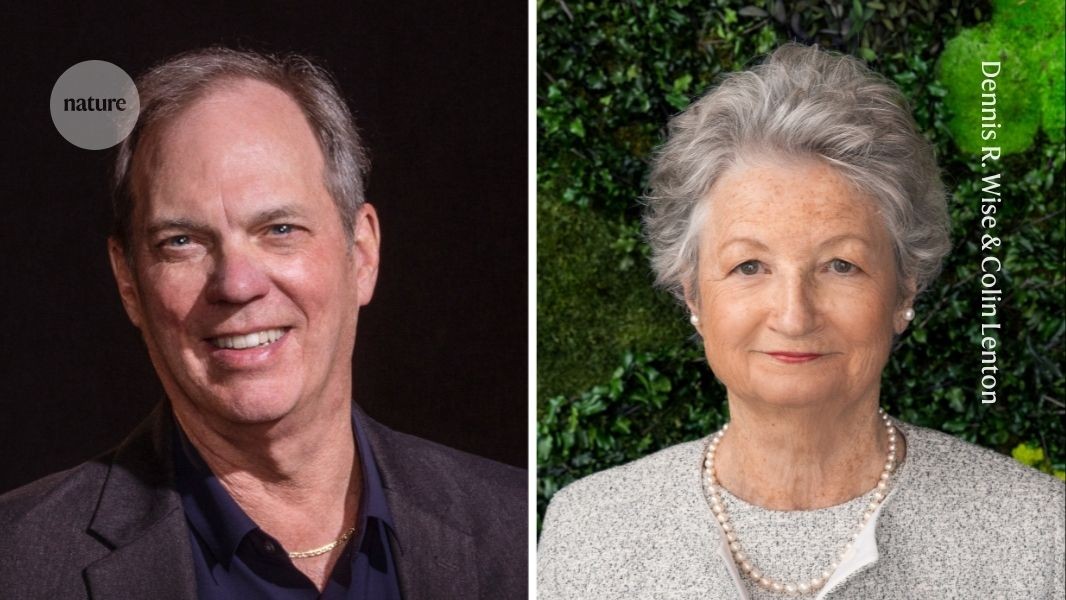
The 2026 Breakthrough Prizes awarded US$3 million each to researchers who spent decades measuring the muon's magnetic moment and to teams behind the first FDA-approved gene therapy for blindness. The muon g-factor was pinned to 127 parts per billion, confirming standard model predictions with astonishing precision. Meanwhile, ophthalmologists Jean Bennett, Albert Maguire, and Katherine High won for Luxturna, which uses an adeno-associated virus to deliver a working RPE65 gene to patients with inherited retinal disease. Within 30 days of treatment, previously blind participants could navigate obstacle courses. High plans to donate her share to charities serving people in poverty.
The Breakthrough Prize, founded by tech billionaires including Yuri Milner and Mark Zuckerberg, offers some of science's largest monetary awards. The muon magnetic moment experiments spanned CERN, Brookhaven National Laboratory, and Fermilab. Gene therapy for RPE65 deficiency represents a proof-of-concept for treating previously untreatable genetic conditions.
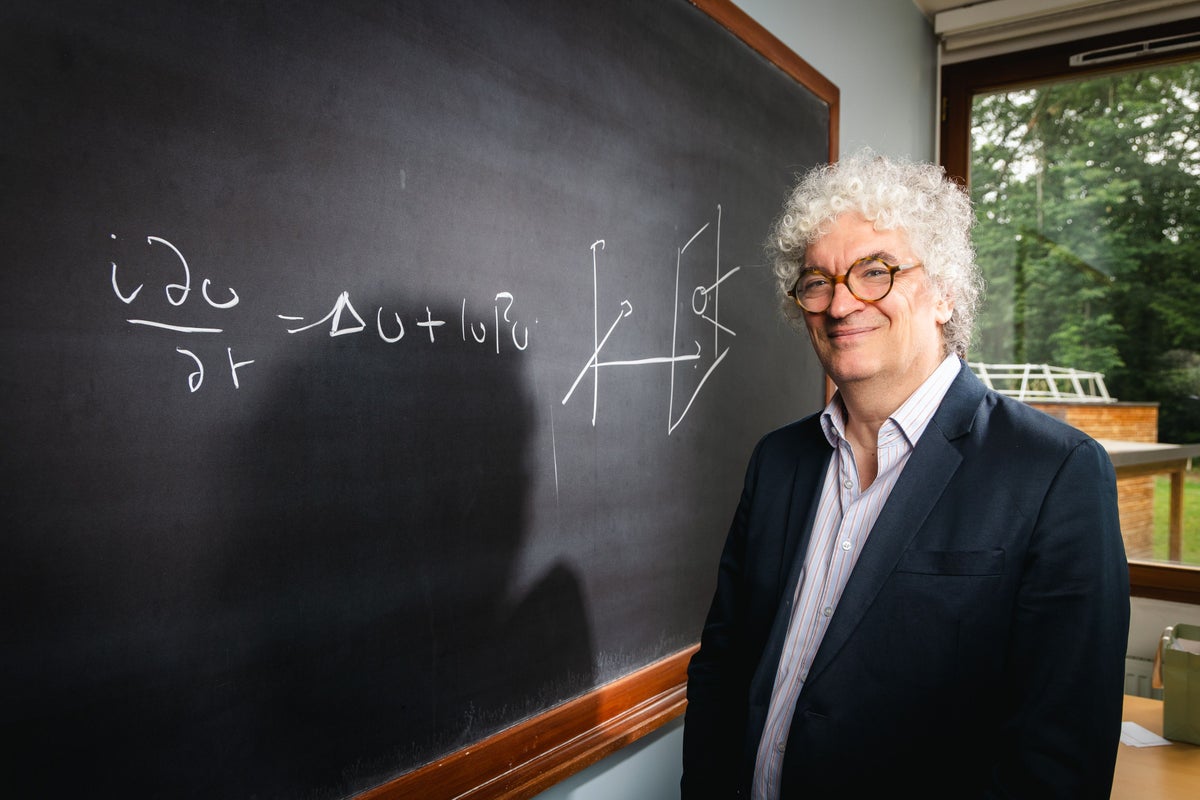
Mathematician Frank Merle won the 2026 Breakthrough Prize in Mathematics for his work on nonlinear equations that exhibit extreme sensitivity to initial conditions—systems where tiny inputs can produce explosive, unpredictable outputs. Rather than starting from linear approximations, Merle embraced the chaos directly, discovering that solitons—self-sustaining wave structures—provide an organizing principle for understanding these turbulent systems. His methods apply to lasers, fluid dynamics, and quantum mechanics. Merle described his reaction as shock followed by satisfaction that his unconventional approach, once doubted, had gained recognition through accumulated results.
The $3 million Breakthrough Prize in Mathematics, established in 2013, recognizes outstanding contributions to the field. Merle's work on singularity formation and soliton resolution has influenced understanding of turbulence, laser physics, and dispersive wave phenomena.
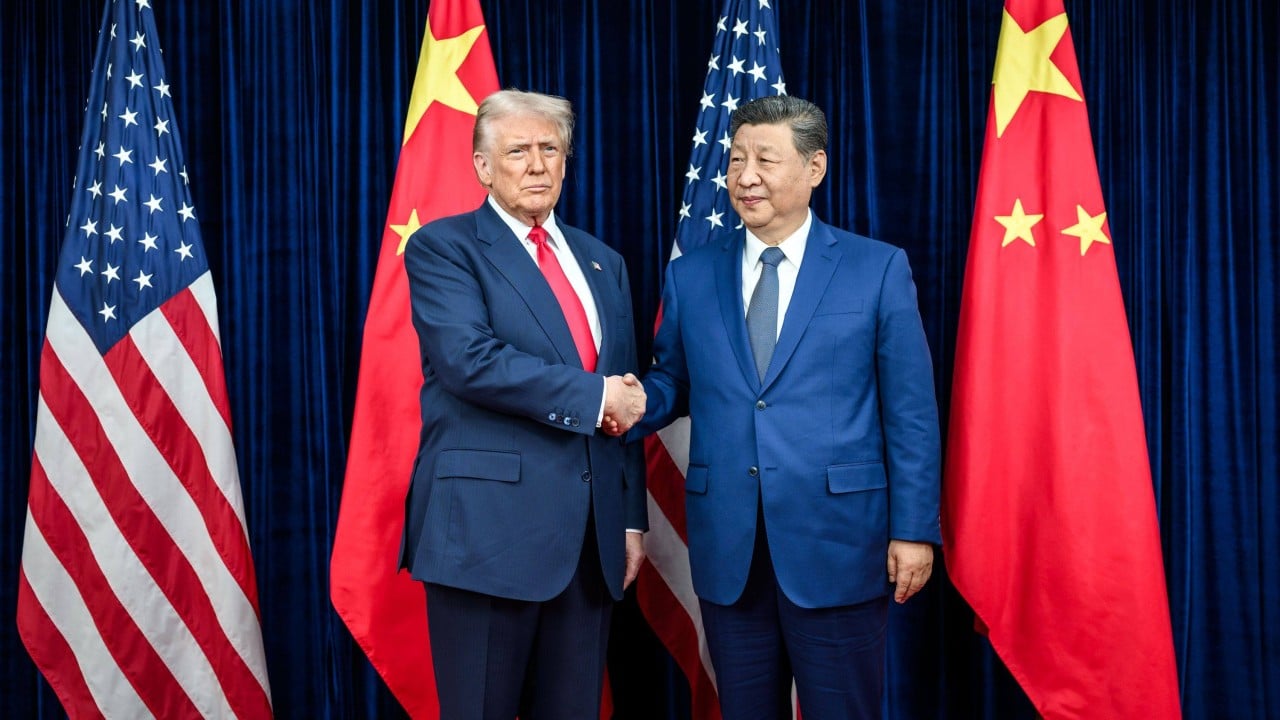
President Donald Trump announced on social media that he looks forward to a 'special' and 'potentially historic' meeting with Xi Jinping in China next month, framing the summit around the reopening of the Strait of Hormuz. The timing follows weeks of US-Iran military confrontation that has consumed Washington's diplomatic bandwidth. Wu Xinbo, dean at Fudan University's Institute of International Studies, noted that Trump has 'lost almost all his bargaining chips' due to the Iran war, potentially weakening his negotiating position on trade and security issues. The meeting would test whether bilateral stability can extend beyond the November midterms through Trump's remaining term.
US-China relations have remained tense over trade, technology restrictions, and Taiwan. Trump's first term featured tariff escalations and a Phase One trade deal. A planned 2025 summit was delayed. The Iran conflict has diverted US attention and military resources from the Indo-Pacific.
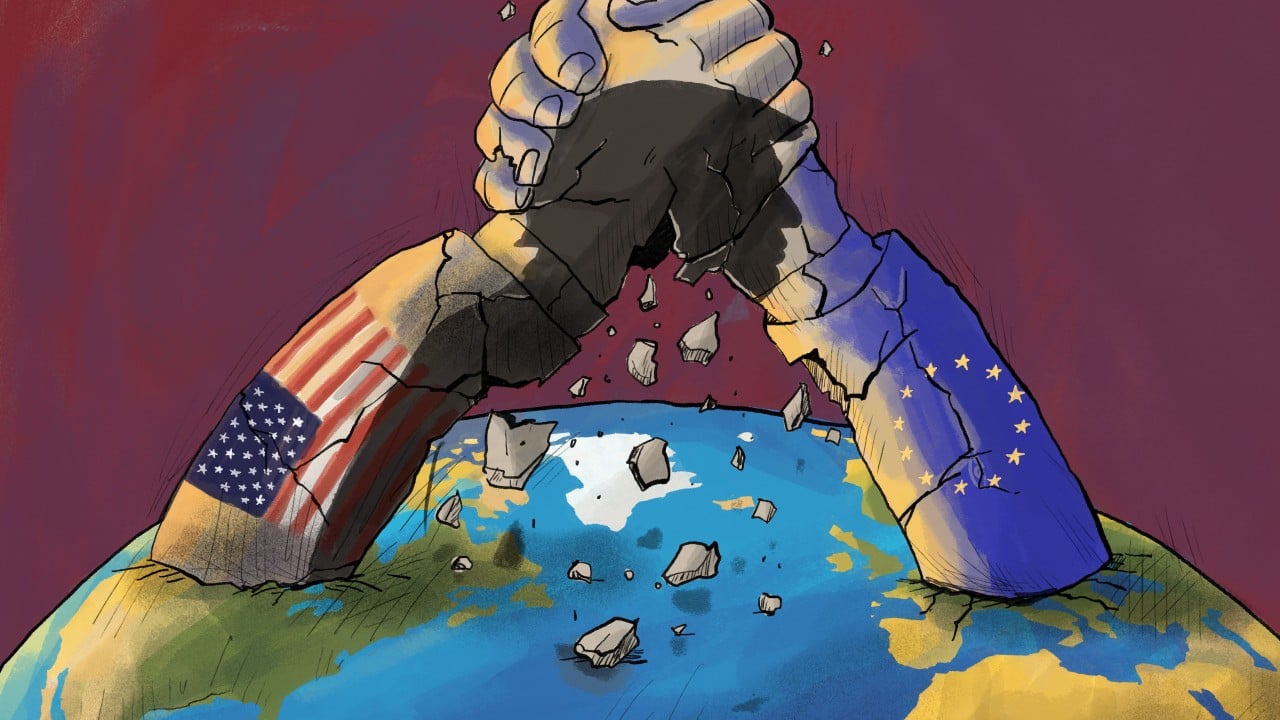
Transatlantic relations have deteriorated sharply since Trump's re-election, with European officials now acknowledging a fundamental rupture rather than a temporary strain. In June 2021, Joe Biden told G7 leaders in Cornwall that 'America is back at the table,' restoring cooperation after Trump's first term. European capitals initially believed this institutional foundation would survive a second Trump presidency. Eighteen months later, that confidence has collapsed. The G7, which coordinated Russia sanctions after the 2022 Ukraine invasion, now struggles to maintain unity as Washington's commitments to European security and multilateral institutions waver.
Trump's first term featured disputes over NATO funding, the Paris climate accord, and the Iran nuclear deal. His second term has brought tariffs on European goods, skepticism toward Ukraine aid, and transactional demands for increased defense spending. European leaders have begun discussing strategic autonomy and reduced reliance on US security guarantees.
Federal Judge Jorge L. Alonso ruled that the Trump administration violated the First Amendment by pressuring Meta and Apple to remove ICE-tracking groups and applications. The case involved Kassandra Rosado, who runs the ICE Sightings Facebook group, and Kreisau Group, developers of the Eyes Up app. Alonso cited a unanimous 2024 Supreme Court decision in NRA v. Maria Vullo, which held that government officials cannot coerce private parties to suppress disfavored speech. The plaintiffs received a preliminary injunction. The administration had publicly threatened prosecution, including against CNN for reporting on the apps' existence.
The case tests the boundary between government persuasion and unconstitutional coercion of private platforms. The 2024 NRA decision established that even informal pressure from officials can violate the First Amendment if it punishes or suppresses protected speech. The Trump administration has aggressively targeted tools used to monitor immigration enforcement.
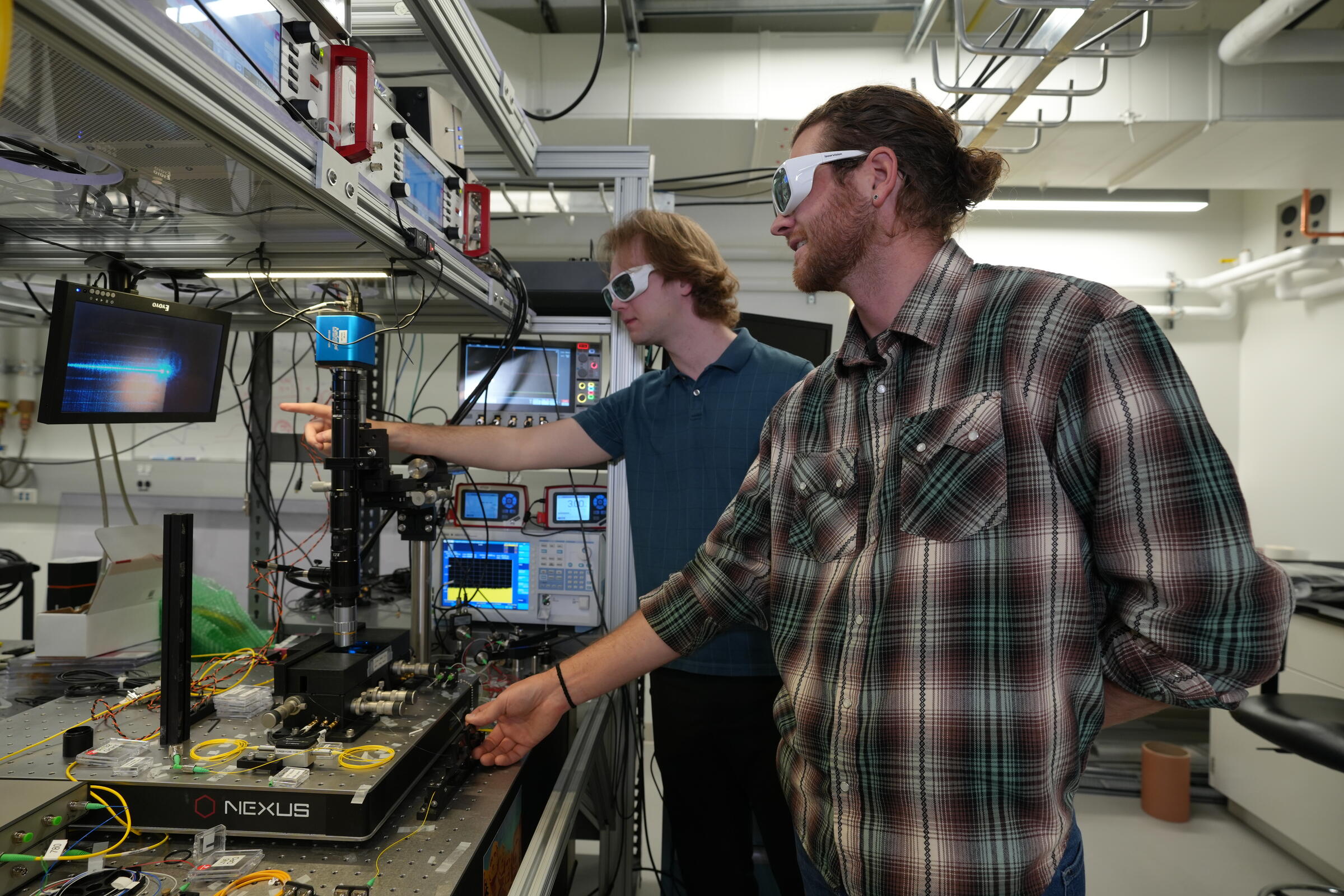
Researchers at NIST developed integrated photonics chips that generate laser light across any wavelength by stacking specialized materials onto silicon wafers. The devices use lithium niobate, a nonlinear material that converts input light colors, combined with electrical control structures for rapid switching. Current semiconductor lasers operate efficiently at only a few fixed wavelengths, forcing quantum computers and optical atomic clocks to rely on bulky, expensive external laser systems. These fingernail-sized chips could enable portable versions of previously laboratory-bound quantum technologies. Applications include biomedicine, navigation, and optical communications.
Integrated photonics aims to replicate the silicon revolution for light-based rather than electron-based computing. The field has struggled with miniaturizing tunable lasers. NIST's layered architecture, published in Nature, represents a fabrication advance that could lower barriers to quantum technology deployment.
Memory manufacturers will satisfy only 60 percent of DRAM demand by late 2027, with SK Group's chairman warning shortages could extend to 2030. Samsung, SK Hynix, and Micron are adding fabrication capacity, but new facilities will not operate until 2027 or 2028. Production must grow 12 percent annually to meet demand; current plans target 7.5 percent. New fabs focus on HBM for AI data centers, not general-purpose DRAM for consumer devices. Prices for phones, laptops, VR headsets, and gaming handhelds have already risen due to constrained supply.
The shortage stems from AI-driven demand for HBM, which requires repurposing existing DRAM production lines. Memory makers delayed capacity expansion after the 2022-2023 downturn, leaving insufficient supply when AI demand surged. Consumer electronics face collateral damage as manufacturers prioritize higher-margin AI memory contracts.
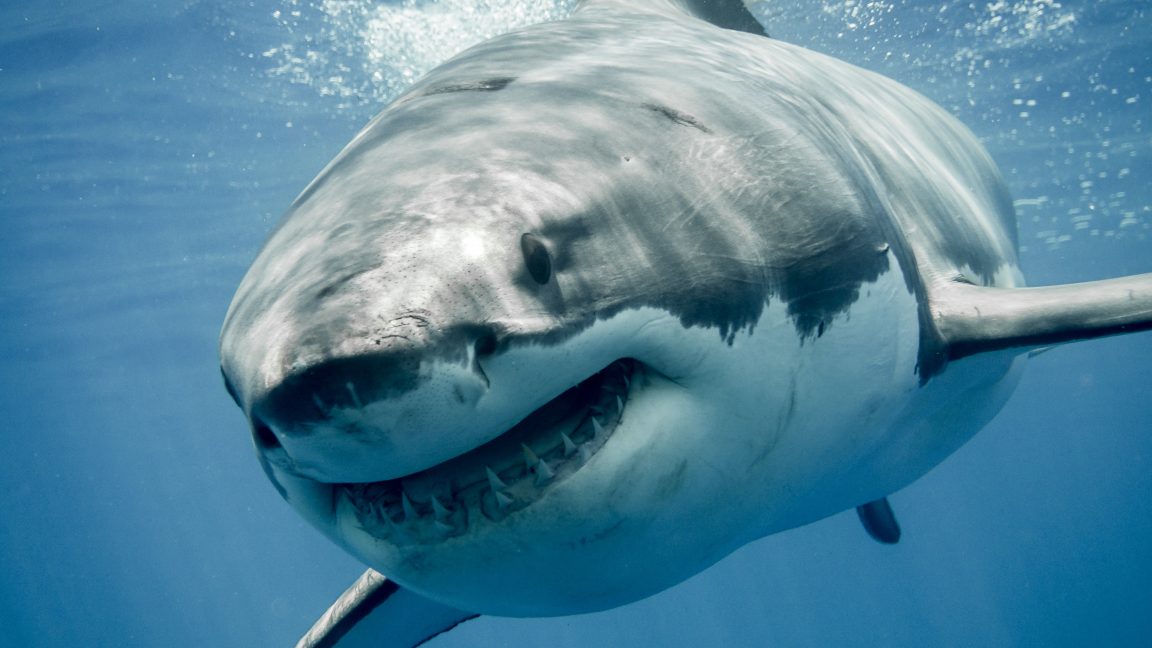
[Mesothermic] sharks and tuna face fatal overheating risks as oceans warm, according to research in Science. These species maintain body temperatures above surrounding water, burning nearly four times the energy of cold-blooded fish. A one-ton shark struggles in waters above 17°C without behavioral countermeasures. [Climate change] creates a 'double jeopardy': rising temperatures combined with declining prey from overfishing. Researchers attached sensors to basking sharks exceeding three tons to measure real-time heat production and loss. False Bay and Mossel Bay in South Africa have already seen reduced great white sightings as the species serves as a sentinel for broader marine ecosystem shifts.
Mesothermy evolved independently in sharks and tuna, enabling faster swimming and long-distance migration. The physiological advantage becomes a liability as warming reduces the thermal gradient sharks use to dissipate metabolic heat. South African great whites support eco-tourism and serve as conservation icons, making their decline economically and culturally significant.
Bill Peebles, who led OpenAI's Sora video generation team, announced his departure following the company's decision last month to abandon the consumer video tool. Kevin Weil, vice president of AI for Science, also left; his Prism research workspace for scientists is being discontinued and folded into the Codex desktop application. OpenAI has prioritized coding and enterprise applications, eliminating what it termed 'side quests.' Peebles noted that Sam Altman and leadership fostered research environments allowing off-roadmap exploration, which enabled Sora's development. The departures continue a pattern of leadership turnover as the company narrows its product focus.
OpenAI has undergone repeated leadership changes since its 2023 governance crisis. The company has shifted from broad research ambitions toward revenue-generating products, particularly targeting enterprise customers. Sora's cancellation disappointed researchers who viewed video generation as a path toward multimodal intelligence.
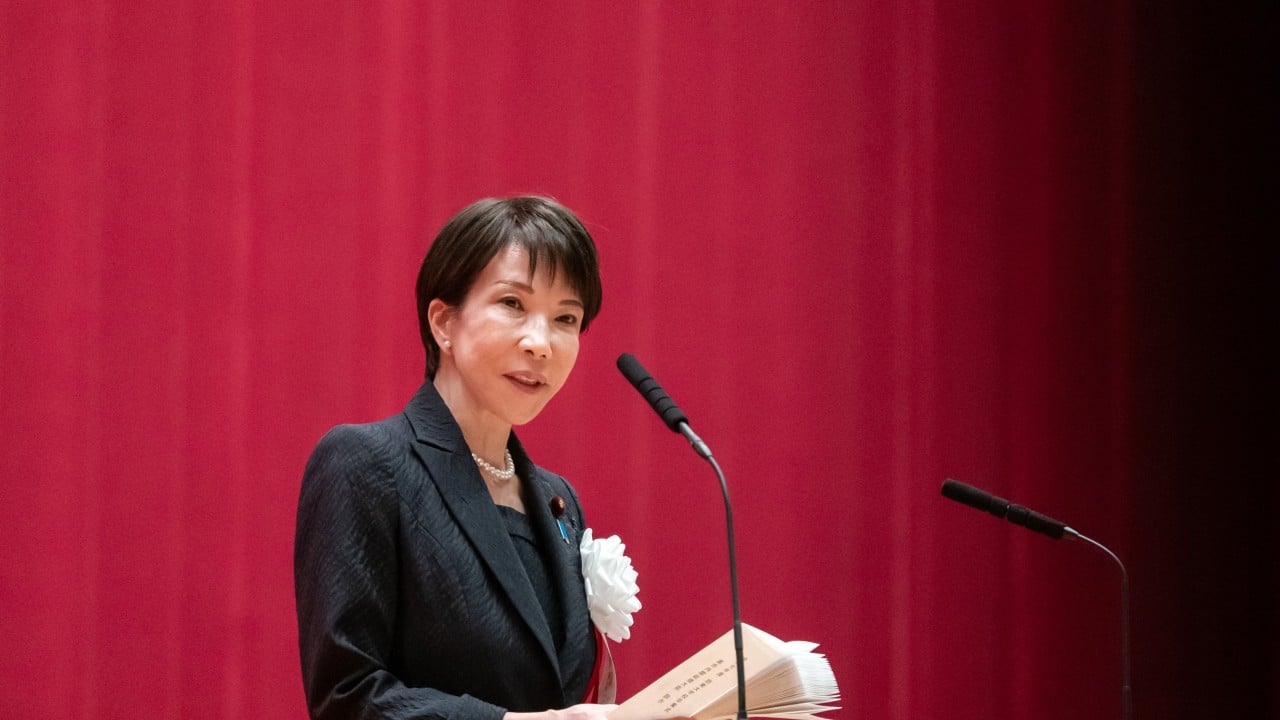
Prime Minister Sanae Takaichi is pursuing the first revision of Japan's post-World War II constitution, a goal now within reach after her LDP secured a two-thirds lower house majority in February. At the party convention, Takaichi declared 'an independent constitutional amendment by the hands of the Japanese people' as the LDP's long-cherished objective. The most contested target is Article 9, which renounces war and military force. Other proposed changes include emergency powers and electoral reforms. The National Diet's upper house remains a potential obstacle even if the LDP advances amendments.
Japan's 1947 constitution was drafted under US occupation and has never been amended. The LDP has advocated revision since its founding in 1955. Article 9 has been reinterpreted to permit 'collective self-defense' but formal revision would mark a fundamental shift in Japan's security posture, welcomed by Washington and viewed with concern in Beijing and Seoul.