The NSF awarded 2,599 GRFP fellowships this year, a sharp rebound from last year's cut to 1,000. The increase arrives as the Trump administration has pushed to slash the agency's budget and redirect funding toward AI and quantum science. Nearly 14,000 students applied. Winners receive three years of tuition coverage plus $37,000 annual stipends. The reversal surprised researchers who feared further cuts after eligibility rules changed to exclude second-year graduate students and dozens of applications were returned without review. Acting director Brian Stone framed the expansion as building talent in strategic fields.
The GRFP has supported over 70,000 researchers since 1952, with at least 40 later winning Nobel prizes. Last year the program was halved mid-cycle, then partially restored with emphasis on administration-priority areas.
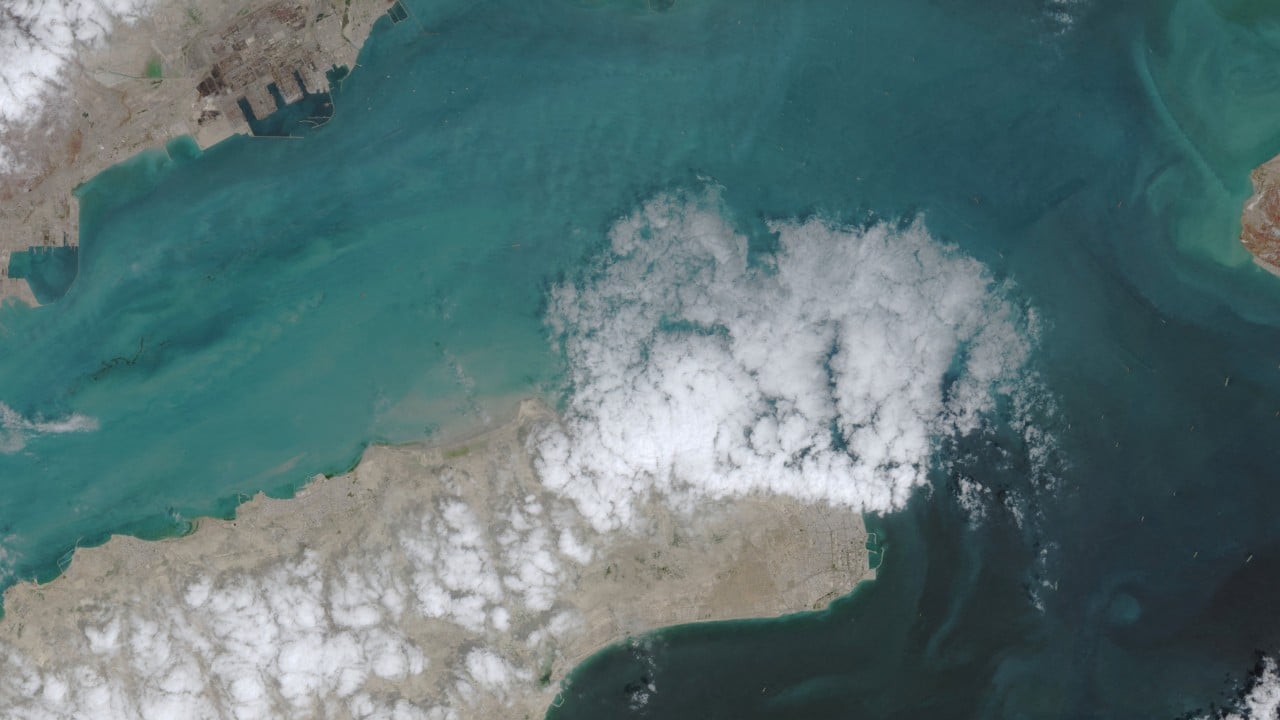
US forces are preparing to board ships tied to Iran and seize commercial vessels in international waters, according to a source familiar with internal planning. The operation would expand a naval blockade on the Strait of Hormuz that President Trump ordered after Iran briefly closed the waterway this month. The IRGC reopened the strait on Saturday, then reversed course within hours, calling the US blockade of Iranian ports "piracy." The moves come as a two-week ceasefire between Washington and Tehran approaches its Wednesday deadline.
The Strait of Hormuz carries roughly one-fifth of global oil shipments. Iran has periodically threatened closure as leverage in negotiations. The current ceasefire paused direct US-Israeli strikes on Iranian nuclear and military facilities.
Newly leaked internal memos show Chief Justice Roberts pushed to stay the Obama administration's Clean Power Plan because he feared the EPA would force utilities to spend billions complying with rules that might later be struck down. The 2016 stay, issued without full briefing on the Court's shadow docket, previewed the major questions doctrine that would later feature in West Virginia v. EPA. Roberts cited the agency's response to Michigan v. EPA, where the Court invalidated mercury regulations after utilities had already installed costly equipment. Justice Kennedy's concurrence proved pivotal. The documents reveal early conservative coordination on limiting agency power.
The Clean Power Plan sought to cut power plant emissions through generation-shifting. The stay blocked implementation; the rule was later repealed and replaced. The shadow docket refers to emergency orders decided without oral argument.
Iran reversed its decision to reopen the Strait of Hormuz within hours on Saturday, with the IRGC declaring the waterway would remain under "strict control" until the US lifts its blockade of Iranian ports. The about-face came a day after Tehran announced full reopening and President Trump praised the move while insisting his naval blockade would continue. Chinese analysts view the tactic as leverage-seeking before ceasefire talks. The two-week truce between the US and Iran expires Wednesday.
Iran closed the strait on April 12 after US-Israeli strikes on its military and nuclear facilities. The rapid reopening-then-closure suggests internal debate or deliberate ambiguity to test US responses.
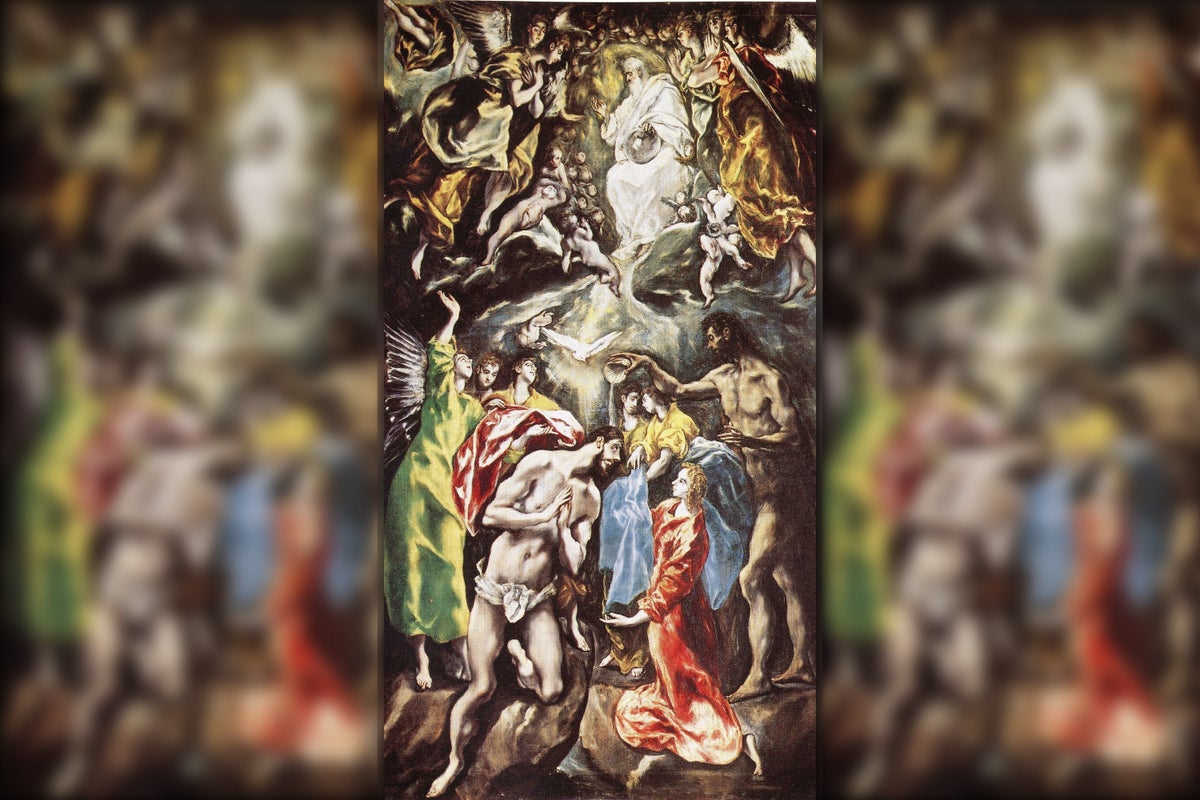
Researchers used machine learning to analyze brushstroke texture at microscopic resolution in El Greco's The Baptism of Christ, challenging the long-held view that the painter's workshop completed it after his 1614 death. The AI model, trained on student paintings, detected unexpected uniformity across sections attributed to different hands. The findings suggest El Greco painted most of the work himself, perhaps with aging-affected technique or unusual brushes. Published in Science Advances, the study offers a new tool for attribution disputes but does not settle them definitively.
Renaissance masters employed apprentices who mixed pigments, stretched canvases, and sometimes painted details. Art historians have long debated which workshop members contributed to specific works.
via 404 Media, Earth and Planetary Science Letters
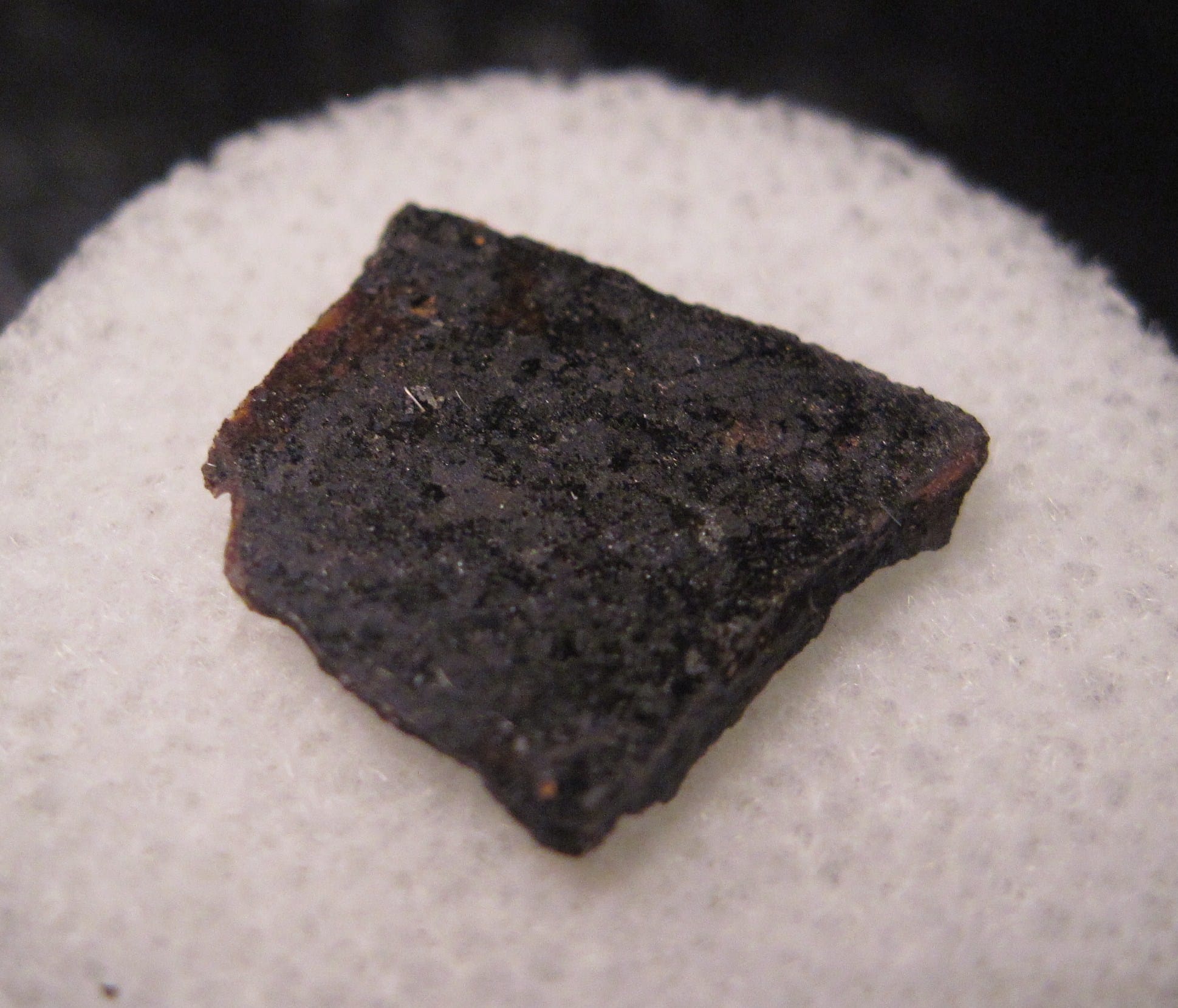
A rare class of meteorites called angrites carries evidence that they originated from a protoplanet destroyed in the early solar system, according to new research. A team led by Aaron Bell at the University of Colorado developed a geobarometer showing the rocks formed under pressures requiring a parent body at least 620 miles across — nearly Pluto-sized, possibly Moon-sized. The APB shattered within three million years of the solar system's formation, leaving only fragments that drifted into the asteroid belt and occasionally reach Earth. The finding challenges models assuming only small bodies formed that early.
Angrites are volcanic meteorites with crystallized melted rock signatures, indicating formation in a differentiated body with metallic core and magma ocean. Only about 70 are known.
Zhu Zhaoyi, a Peking University Middle East scholar, told a Shenzhen seminar that China should treat the US-Israeli war in Iran as a "massive learning opportunity" for the PLA. Despite China's vast arsenal of new weapons, it lacks combat experience. Watching US forces in action narrows the "generational gap" in equipment and tactics, he argued. Zhu also urged Beijing to take a more active role in peace talks as the ceasefire deadline nears, suggesting China could gain strategic leverage by reshaping Middle East trade patterns.
The PLA has not engaged in major combat since the 1979 Sino-Vietnamese border conflict. Its modernization relies on exercises and observation of foreign wars rather than tested doctrine.
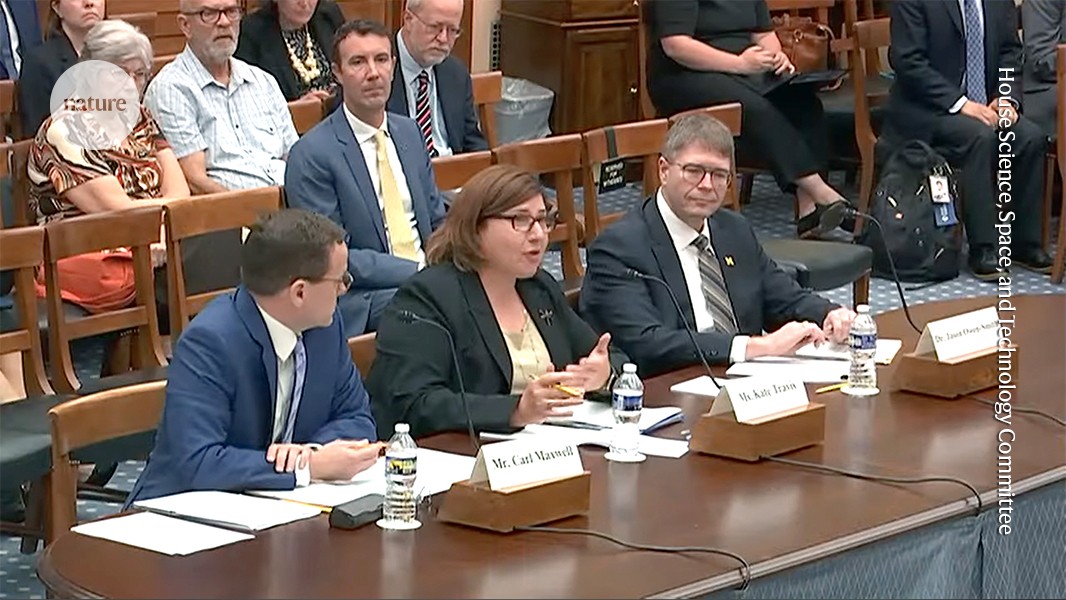
A House Science Committee hearing on April 15 examined paper mills, APCs, and AI-generated fake research. Members from both parties agreed problems exist but split on solutions. Republicans argued article processing charges incentivize quantity over quality; Democrats warned that banning federal funds for publishing fees would cripple journal operations. Kate Travis of Retraction Watch testified that "publish or perish" culture enables fraud. The hearing addressed a proposed 2027 budget provision blocking federal money for journal subscriptions and high publishing fees.
Open-access mandates from funders like the NIH pushed publishers to charge APCs, typically $1,000-$13,000. Paper mills sell authorship slots on fraudulent or low-quality studies.
B cells, immune system components that produce antibodies, also regulate muscle performance during exercise, according to a Tsinghua University study in mice. Peng Jiang's team found that mice with depleted B cells showed reduced endurance and strength on treadmill tests. The cells appear to support muscle metabolism independently of their pathogen-fighting role. Carolin Daniel at Helmholtz Munich called the finding a conceptual advance linking immunity to exercise physiology. The discovery opens questions about whether immune function affects athletic capacity in humans.
B and T cells have increasingly been found to operate outside classical immune contexts. This study marks the first metabolic function identified for B cells.
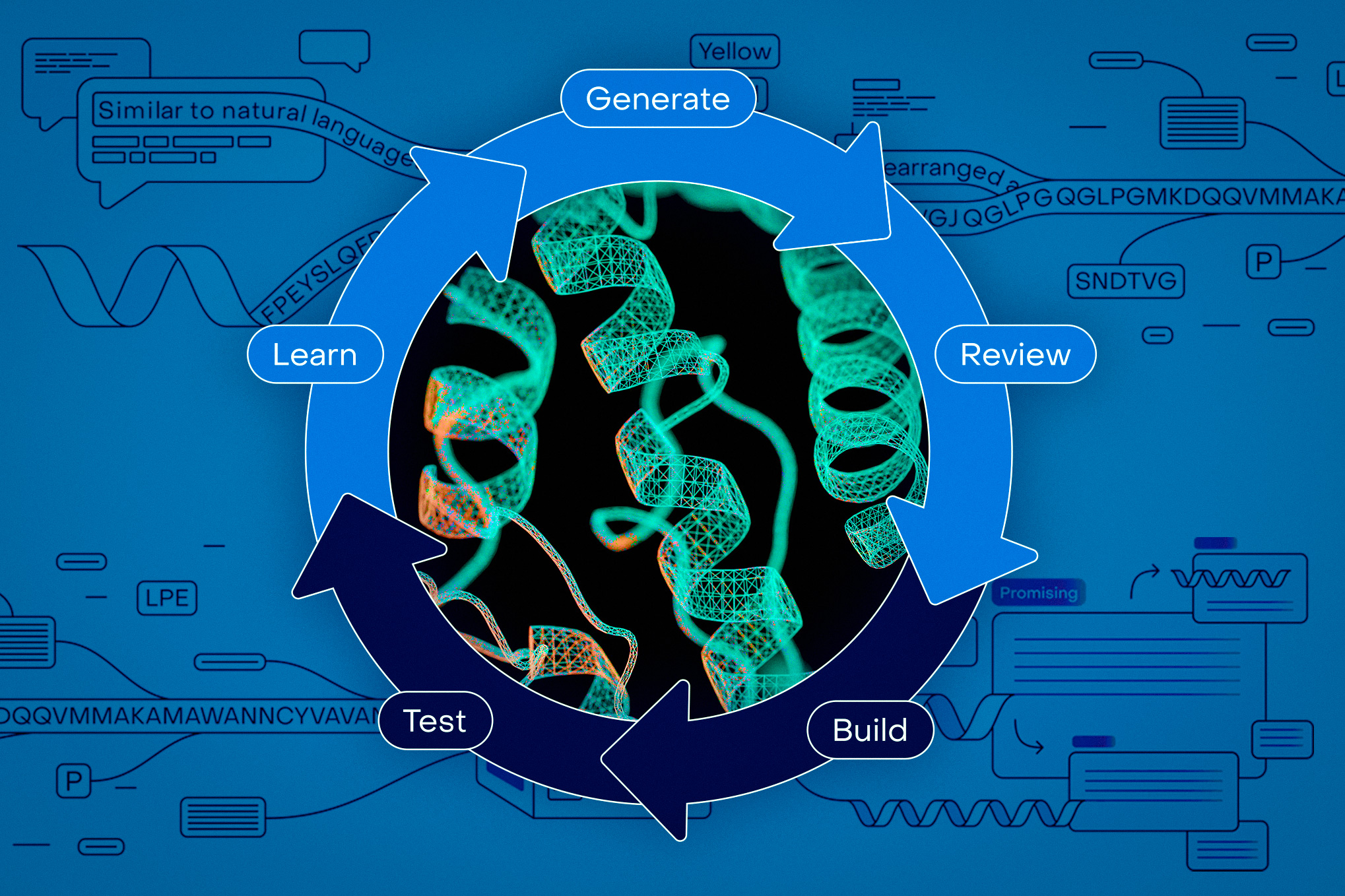
OpenProtein.AI, founded by MIT alumni Tristan Bepler and Tim Lu, offers no-code access to foundation models for protein engineering. The platform lets researchers design proteins, predict structure and function, and train custom models without coding expertise. The company provides free academic access and serves pharmaceutical and biotech clients. Bepler developed early protein language models in Bonnie Berger's lab before AlphaFold's release. The tools aim to shorten therapeutic development cycles and enable novel protein designs with specific traits.
Protein engineering traditionally requires specialized machine learning knowledge and GPU resources. The platform abstracts these barriers while offering internally developed foundation models.