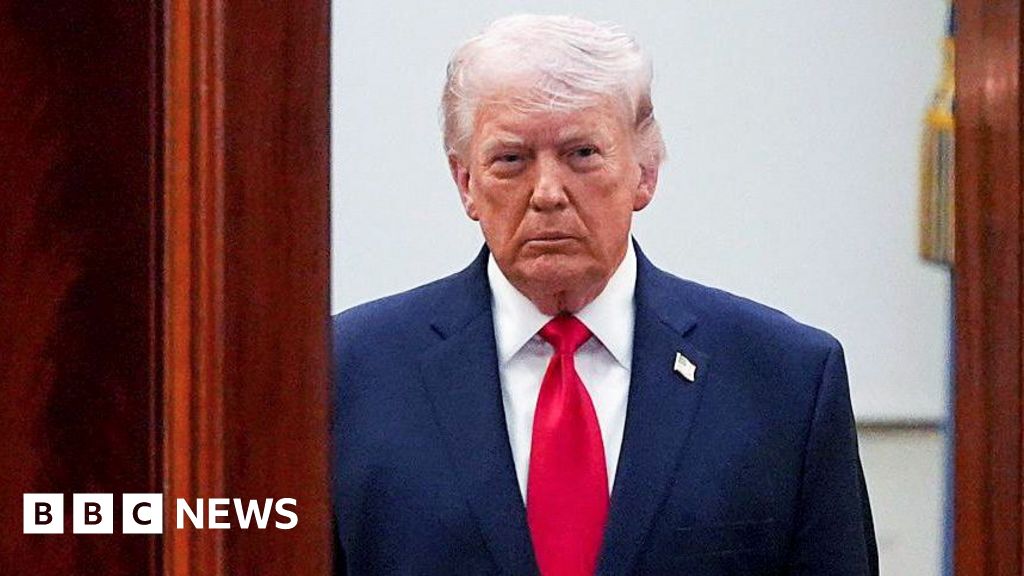
The BBC has identified a pattern of unusual trading activity preceding several of President Trump's major market-moving announcements. On March 9, 2026, oil futures saw a massive surge of bets on falling prices at 18:29 GMT—47 minutes before a CBS interview with Trump was made public, in which he said the war with Iran was "very complete." Similar patterns appeared on March 23, when traders placed unusually high bets on oil prices 14 minutes before Trump posted about a "total resolution" to hostilities. A third case occurred on April 9, 2025, when bets on the S&P 500 jumped to over 10,000 contracts per minute shortly before Trump announced a 90-day pause on tariffs. Some analysts see hallmarks of illegal insider trading; others suggest traders have grown skilled at anticipating Trump's interventions.
The pattern involves coordinated large bets on futures markets minutes before presidential statements that move oil and equity prices significantly. The SEC has received calls from Democratic senators to investigate.
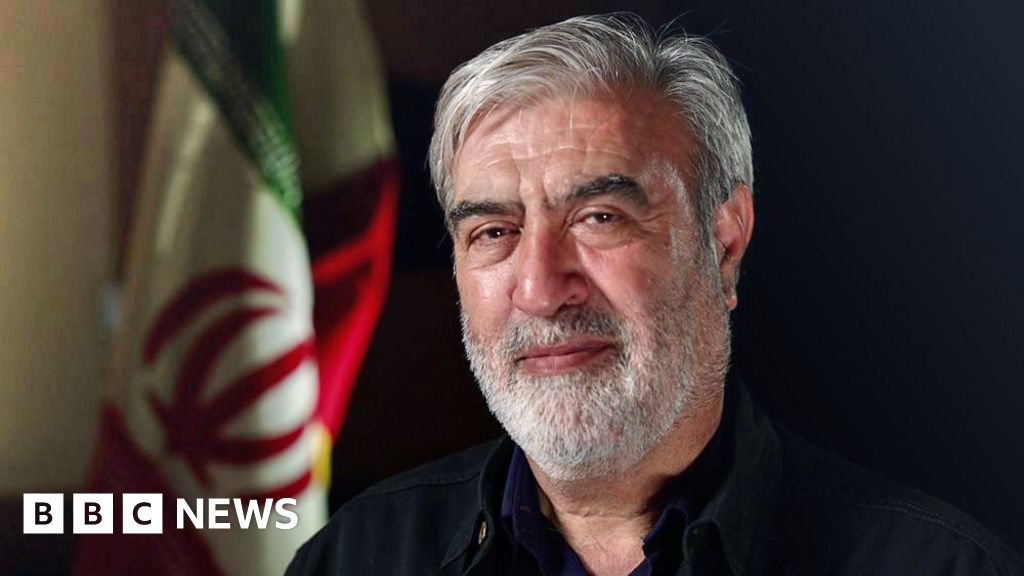
Ebrahim Azizi, a senior Iranian lawmaker and former IRGC commander, told the BBC that Iran will never relinquish control of the Strait of Hormuz. He described the waterway as "one of our assets to face the enemy" and said a bill is being introduced to parliament to formalize Iran's authority over passage rights. The statement signals a hardening position following weeks of war with Israel and the US, during which Iran has repeatedly threatened to close the strait. Azizi's stance reflects the growing dominance of hardliners and military figures in Tehran's post-war political order. The UAE has warned that Iranian control would set a "dangerous precedent" for other strategic waterways.
The Strait of Hormuz handles roughly one-fifth of global oil shipments. Iran's foreign minister briefly stated the strait was "completely open" on Friday, drawing immediate rebuke from IRGC-linked media.
The economic consensus on industrial policy has shifted substantially. The IMF and World Bank, long skeptical of government intervention, now acknowledge that targeted industrial policy can accelerate growth in developing economies when executed competently. The author, who has championed this view, notes that successful Asian economies combined state intervention to fix market failures with export orientation and domestic competition. However, enthusiasm has also bred confusion: "industrial policy" now covers everything from subsidies to immigration restrictions to tariffs, and not all variants work equally well. The piece argues for precision in definition and warns that current US industrial policy often prioritizes reshoring over productivity, a departure from the Asian model that actually succeeded.
Joe Studwell's "How Asia Works" identified three principles of successful industrial policy: fix market failures, export orientation, and fierce domestic competition with accountability.
ByteDance's overseas revenue grew nearly 50% in 2025, far outpacing domestic growth of roughly 20%, according to sources familiar with the matter. The international share of total revenue rose from 25% to over one-third, driven by TikTok Shop which saw GMV growth of approximately 70% and reached profitability. Active consumers on the platform hit 400 million. However, the company's net profit dropped more than 70% due to massive AI investments in Q3 and Q4 2025. ByteDance has told shareholders to expect further increases in technology spending in 2026, with over half of capital expenditure growth earmarked for AI processors and infrastructure.
ByteDance has become the only Chinese embodied intelligence company backed by all four major internet giants: Xiaomi, Meituan, Alibaba, and ByteDance itself through various funding rounds.
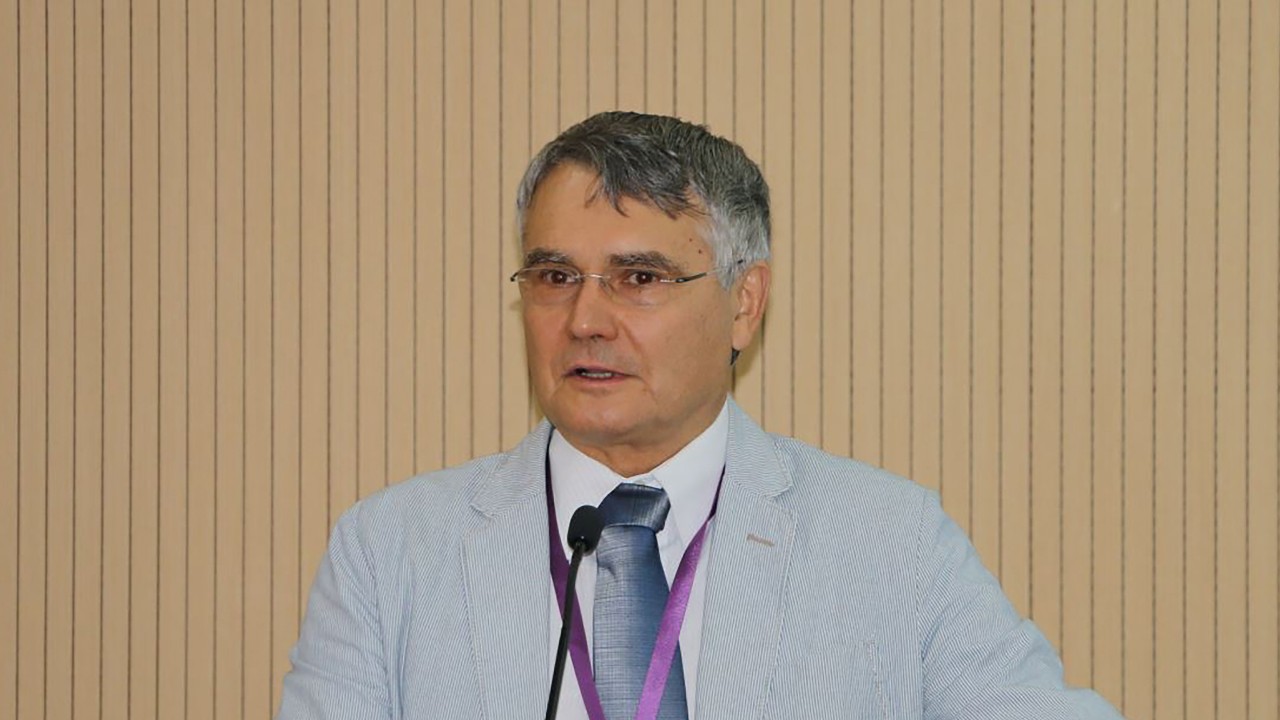
Janusz Pawliszyn, a 71-year-old Polish-Canadian analytical chemist and Royal Society of Canada fellow, has joined Sun Yat-sen University in Guangzhou. Pawliszyn invented two widely used analytical chemistry techniques and has supervised over 110 graduate students and nearly 200 postdoctoral researchers, many from China. His hiring was arranged by Ouyang Gangfeng, a former postdoctoral fellow in his lab who now leads the university's chemical engineering school. The move reflects a broader pattern of international scientific talent relocating to Chinese institutions, often through personal academic networks established over decades.
Pawliszyn received the Chemical Institute of Canada Medal in 2023 and held a Canada Research Chair since 2003. His techniques include solid-phase microextraction, widely used in environmental and forensic analysis.
自变量机器人 (X Variable Robotics) has raised nearly 2 billion yuan in Series B funding led by Xiaomi's strategic investment arm and Sequoia China, according to 36Kr. The company has now become the only Chinese embodied intelligence firm backed by all four major internet giants—Xiaomi, Meituan, Alibaba, and ByteDance—through successive funding rounds. Unlike competitors who fine-tune open-source models, 自变量 builds its own end-to-end foundational model called WALL-A, which unifies vision, language, tactile, and action signals into a single transformer architecture. The company recently launched a commercial home cleaning service with 58到家 and is expanding into industrial manufacturing and logistics.
Xiaomi has accelerated its own robotics efforts, deploying its CyberOne humanoid robot in automotive factories and open-sourcing its VLA model Xiaomi-Robotics-0 in February 2026.
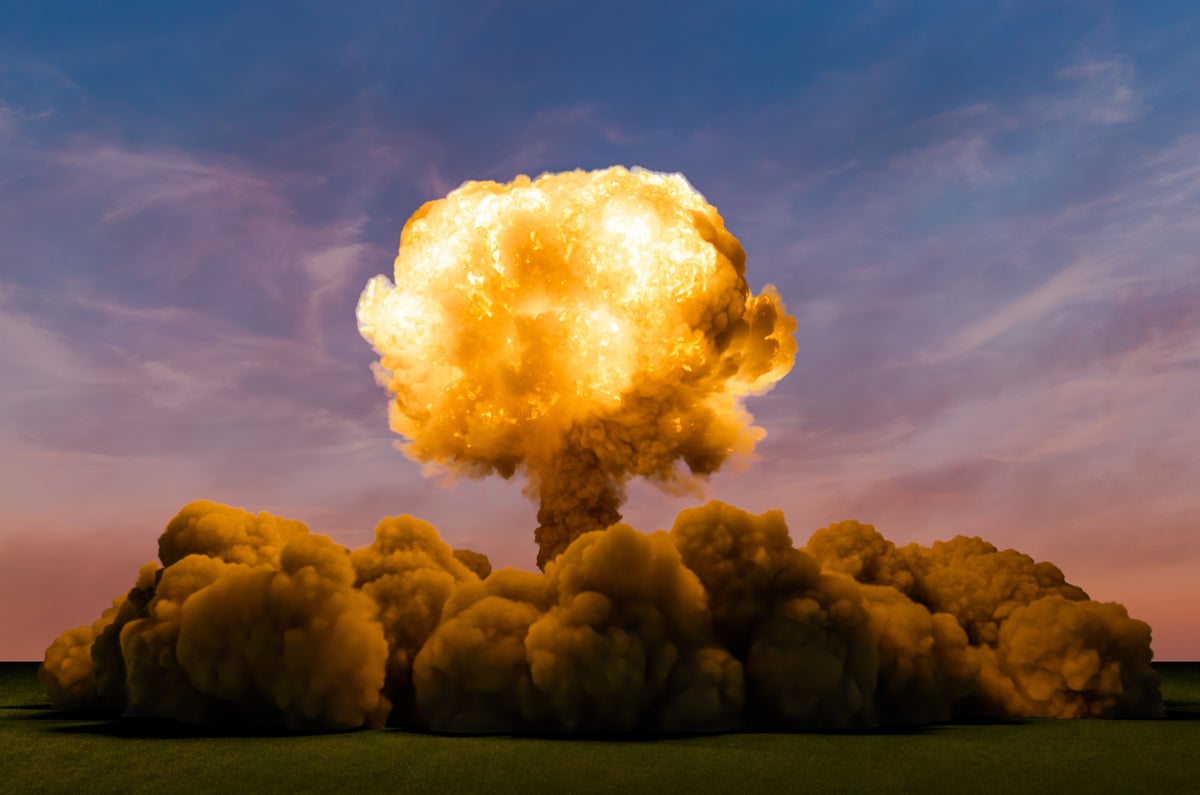
Nobel laureate David Gross recently estimated the annual risk of nuclear war has risen from 1% to 2%, implying a 50% chance of human extinction within 35 years. Some strategists hope game theory—the mathematical study of strategic decision-making—can prevent catastrophe by making the irrationality of first strikes logically obvious. The field's founder, John von Neumann, helped develop the atomic bomb and actually recommended preemptive strikes against the Soviet Union. Game theory assigns numerical values to scenarios and calculates optimal strategies, but its effectiveness depends on rational actors. History suggests humans rarely behave as rationally as the models require, and the same mathematics that clarifies deterrence can also rationalize aggression.
Von Neumann and Oskar Morgenstern published "Theory of Games and Economic Behavior" in 1944, establishing game theory as a field. The prisoner's dilemma and similar models have been applied to nuclear deterrence since the Cold War.
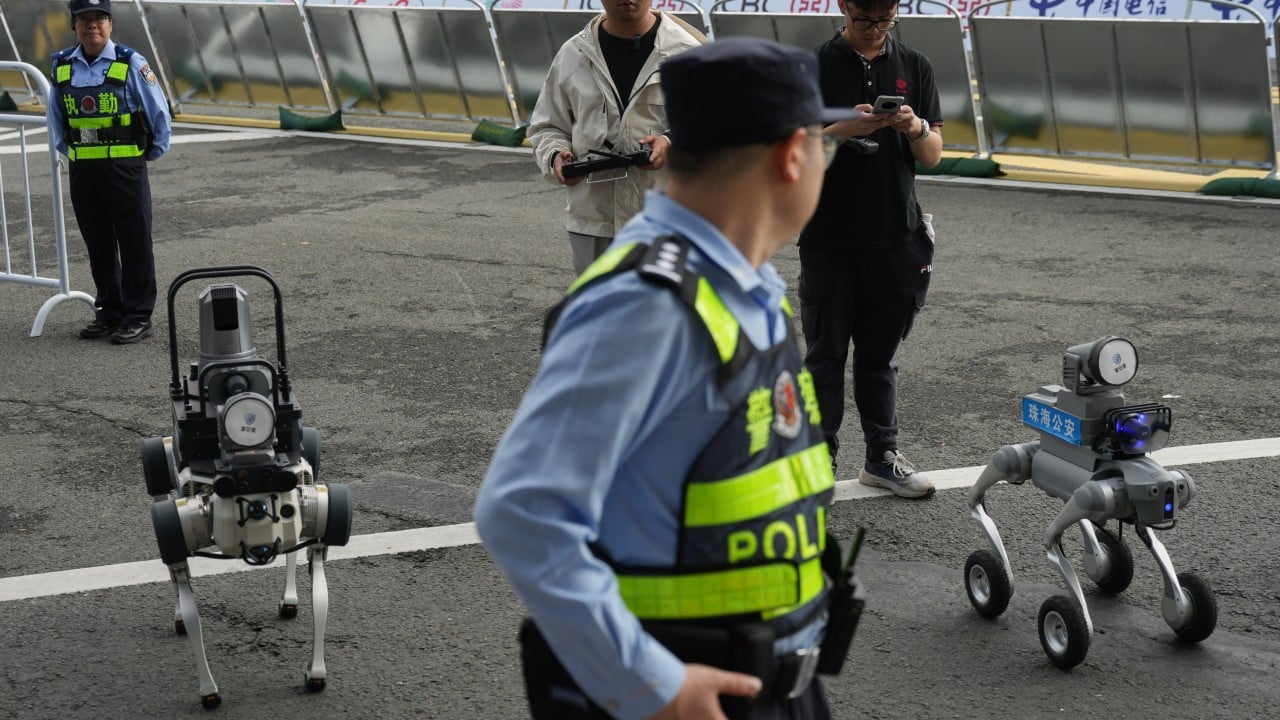
A study from China's People's Armed Police Force outlines a scenario for fully autonomous urban crowd control. In the proposed operation, drones, uncrewed armored vehicles, and robot dogs would deploy roadblocks, identify and capture key instigators, and cut internet access to disperse protesters—all without human officers present. The scenario involves a crowd gathering after rumors of a military takeover, assaulting government installations. The autonomous systems would isolate the crowd, disable communications, and detain organizers. The study positions this as a future capability rather than current deployment, but reflects serious institutional interest in removing human police from direct confrontation during civil unrest.
The People’s Armed Police Force is a paramilitary force under China's Central Military Commission, responsible for internal security, riot control, and counterterrorism.
Massachusetts Governor Maura Healey signed legislation Sunday that restructures the state's Cannabis Control Commission and loosens regulations on marijuana businesses. The commission shrinks from five to three members, all appointed by the governor—previously split between governor, treasurer, and attorney general. Consumers can now buy and possess up to two ounces in public, double the previous limit. Recreational dispensaries may hold up to six licenses, up from three, allowing chains to spread overhead. Medical marijuana businesses no longer must grow their own cannabis. The bill also creates an anonymous reporting portal for illegal activity and a delinquent business list for unpaid debts.
Massachusetts legalized recreational marijuana in 2016. The industry has faced falling prices and dispensary closures, prompting calls for regulatory relief to improve competitiveness.
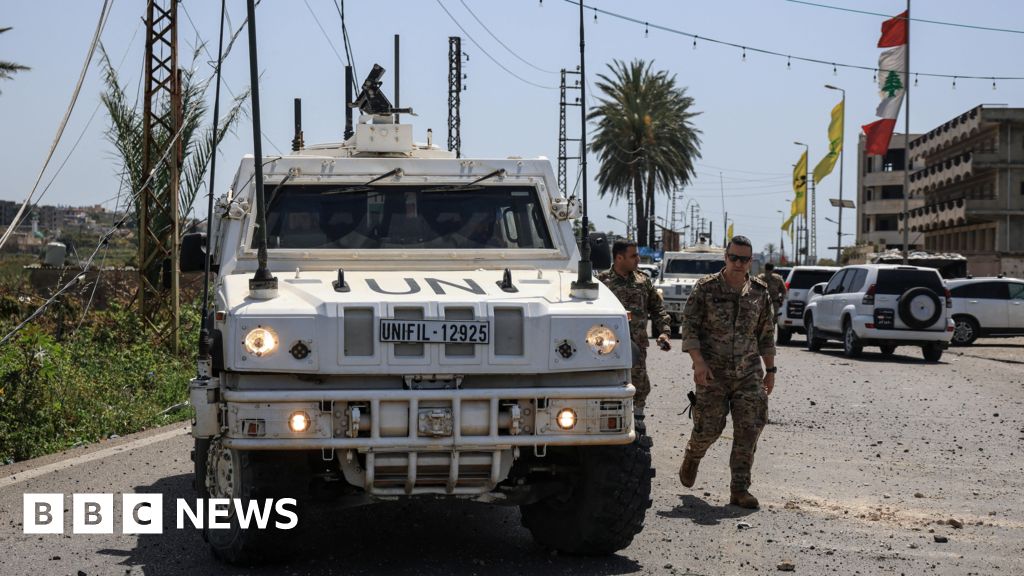
A French peacekeeper died and three others were wounded when a UNIFIL patrol came under small-arms fire in southern Lebanon on Saturday. French President Emmanuel Macron blamed Hezbollah, which denied involvement. The patrol was clearing explosive ordnance to reconnect isolated positions when attacked at close range in the village of Ghanduriyah. Two peacekeepers remain hospitalized with serious injuries. The incident occurred during a fragile 10-day ceasefire between Israel and Lebanon that began April 16. UN officials condemned the attack as a possible war crime. Three Indonesian peacekeepers were killed in similar incidents in late March.
UNIFIL was established in 1978 and expanded after the 2006 Israel-Hezbollah war. It has faced growing risks since renewed fighting erupted on March 2, 2026.